
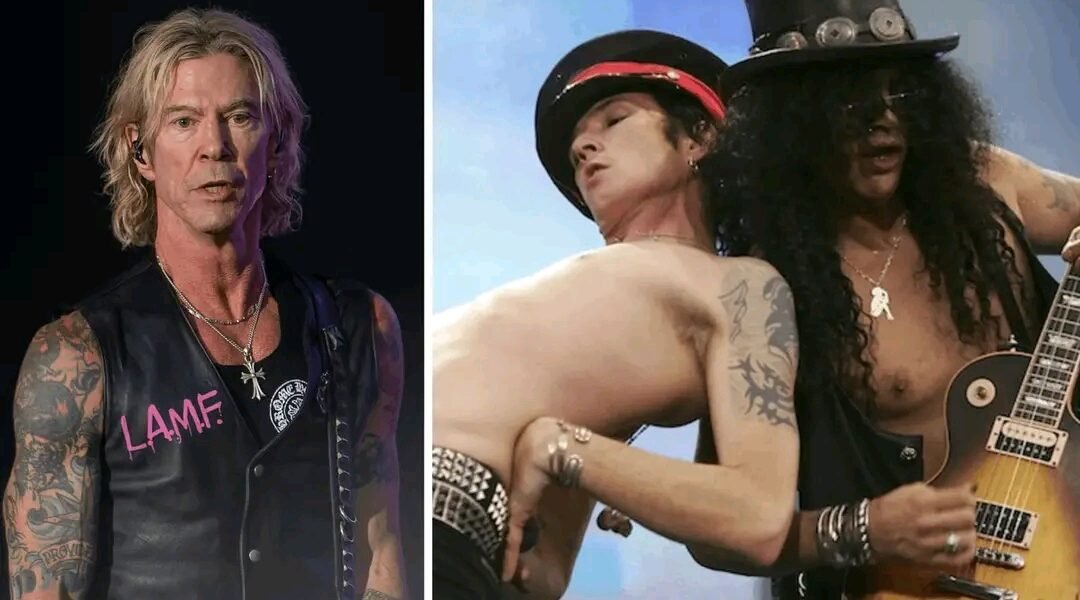
Duff McKagan Opens Up on Demise of Velvet Revolver Amid Scott Weiland’s Relapse: ‘The Wheels Were Coming Off by the Second Album’…..

SHOCKING REVELATION! DUFF McKAGAN FINALLY OPENS UP ABOUT VELVET REVOLVER’S PAINFUL COLLAPSE — SCOTT WEILAND’S RELAPSE AND INTERNAL STRUGGLES PUSHED THE BAND TOWARD DISASTER!
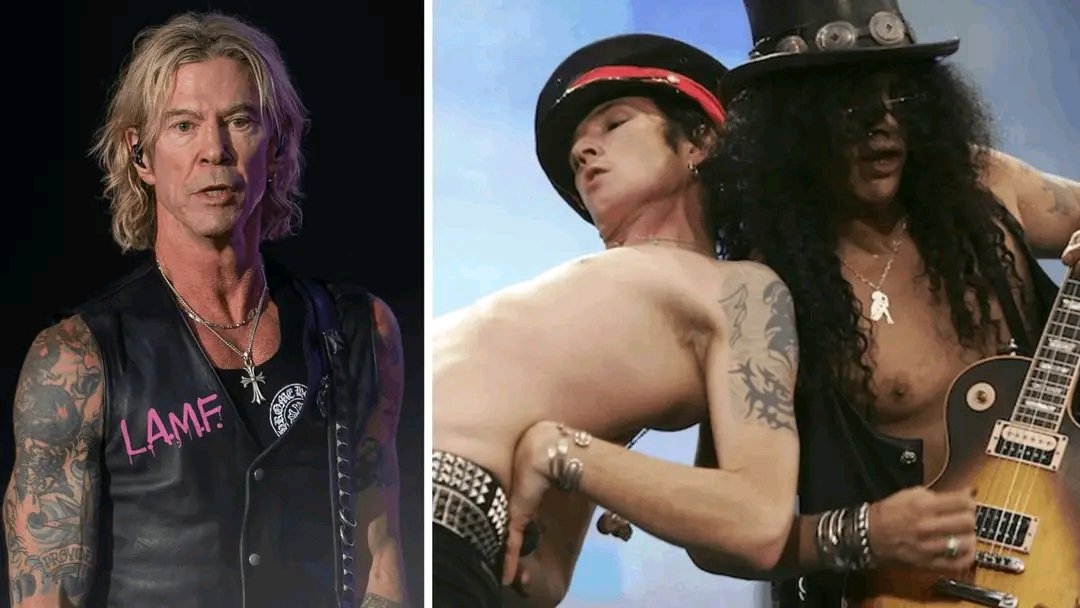
The story of Velvet Revolver remains one of the most fascinating and heartbreaking chapters in modern rock history. Formed by legendary musicians who had already experienced enormous success, the supergroup initially appeared destined to become one of the most powerful forces in hard rock. However, behind the explosive performances, successful albums and worldwide attention, serious problems were developing that eventually brought the band to an end.
Now, Duff McKagan has opened up about the circumstances surrounding Velvet Revolver’s demise, reflecting on the difficulties that emerged as the group moved beyond its hugely successful debut album. His revealing assessment includes a particularly striking observation about the band’s declining situation: “The wheels were coming off by the second album.”
The comment offers a glimpse into the problems that affected the group, particularly amid frontman Scott Weiland’s struggles with addiction and relapse.
For fans who remember Velvet Revolver’s explosive arrival, the revelation brings back memories of a band that had enormous potential but ultimately could not maintain its momentum.
THE SUPERGROUP THAT ROCKED THE WORLD
Velvet Revolver was formed in 2002 by former Guns N’ Roses members Slash, Duff McKagan and Matt Sorum, alongside guitarist Dave Kushner.
The musicians were looking for something different after their experiences with Guns N’ Roses and other musical projects. They eventually found their frontman in Scott Weiland, the charismatic singer best known for his work with Stone Temple Pilots.
The combination immediately attracted attention.
Slash’s unmistakable guitar sound, Duff’s powerful bass playing, Matt Sorum’s hard-hitting drumming and Kushner’s guitar contributions created an exciting musical foundation. Weiland brought a distinctive vocal personality that helped give the band its own identity.
Their chemistry produced something that felt both familiar and fresh.
In 2004, Velvet Revolver released its debut album, Contraband, which became a major success. The record featured memorable tracks including “Slither,” “Fall to Pieces” and “Set Me Free.”
The album earned widespread attention and helped establish Velvet Revolver as a serious contender in the hard rock world.
“Slither” became one of the group’s signature songs, while “Fall to Pieces” demonstrated a more emotional side of the band’s songwriting.
The success appeared to confirm that the musicians had made the right decision.
Unfortunately, the situation would become increasingly complicated.
SCOTT WEILAND’S STRUGGLES BECAME A MAJOR PROBLEM
Although Velvet Revolver enjoyed considerable success, the relationship between the band’s members was not always easy.
Scott Weiland had a long and publicly documented history of substance abuse struggles. His personal challenges affected his career, relationships and ability to maintain stability within his musical projects.
The situation became particularly difficult as Velvet Revolver attempted to build on the success of Contraband.
The band released its second studio album, Libertad, in 2007. Although the record contained several strong songs, including “She Builds Quick Machines” and “The Last Fight,” it did not reproduce the same commercial impact as its predecessor.
Behind the scenes, tensions were growing.
The musicians were dealing with disagreements, personal difficulties and uncertainty about the band’s future.
Duff McKagan’s latest reflections highlight just how early the problems had become noticeable.
His description that the wheels were already coming off by the second album suggests that the difficulties were not simply a sudden development that appeared at the end of the band’s journey.
They had been building for some time.
THE BREAKING POINT: VELVET REVOLVER AND SCOTT WEILAND PART WAYS
In April 2008, Velvet Revolver announced that Scott Weiland was no longer the band’s singer.
The announcement effectively brought the group’s original lineup to an end.
The separation followed months of tension and public disagreements. Weiland subsequently returned to Stone Temple Pilots, while the remaining Velvet Revolver members faced the difficult task of deciding what would happen next.
For fans, the development was disappointing.
Velvet Revolver had brought together musicians from two influential rock backgrounds, creating a project that seemed capable of producing several more successful albums.
However, replacing a frontman who had become such an important part of the band’s identity was never going to be straightforward.
The group continued exploring possibilities with different vocalists, but it never found a permanent replacement who could recreate the original chemistry.
Despite occasional reunions and discussions about new music, Velvet Revolver never returned as a fully functioning recording and touring band.
DUFF McKAGAN’S PERSPECTIVE MAKES THE STORY EVEN MORE INTERESTING
Duff McKagan has experienced several different chapters of rock history.
As the bassist for Guns N’ Roses, he became part of one of the most successful and influential hard rock bands in the world.
He also experienced the challenges of fame, addiction, personal struggles and rebuilding his life and career.
His time with Velvet Revolver represented another important chapter.
The project allowed him to reconnect musically with Slash and Matt Sorum while creating something outside the Guns N’ Roses identity.
That experience makes his reflections particularly interesting.
Rather than simply celebrating the band’s achievements, McKagan’s comments acknowledge that the project faced serious difficulties despite its enormous musical potential.
The success of Contraband could not guarantee a stable future.
Sometimes, even extraordinarily talented musicians cannot overcome the personal and professional problems threatening their relationships.
SCOTT WEILAND’S LEGACY REMAINS IMPORTANT
Scott Weiland passed away on December 3, 2015, at the age of 48.
His death was a devastating moment for the rock community.
He remains remembered for his distinctive voice, unpredictable stage presence and contributions to both Stone Temple Pilots and Velvet Revolver.
His performances helped give Velvet Revolver a unique identity, and his vocals remain central to the band’s recorded legacy.
Tracks such as “Slither” and “Fall to Pieces” continue attracting listeners who appreciate the combination of his vocal delivery and the musicianship of the group’s other members.
Although Velvet Revolver’s story ended prematurely, its music has not disappeared.
WILL VELVET REVOLVER EVER RETURN?
The possibility of Velvet Revolver reuniting has remained an interesting subject among rock fans.
However, with Scott Weiland gone, any future gathering involving the surviving musicians would inevitably be different.
The original chemistry cannot simply be recreated.
Slash, Duff McKagan and Matt Sorum have continued pursuing their respective musical careers, while Dave Kushner has remained active in music.
For now, Velvet Revolver’s legacy rests primarily on its recordings and the memories of its performances.
Duff McKagan’s latest comments provide another reminder that the band’s collapse was more complicated than many fans might have realized.
What do you think? Could Velvet Revolver have become one of the greatest hard rock bands of all time if the problems surrounding Scott Weiland and the group’s internal tensions had never developed?
Share your thoughts in the comments. Rock history will never forget Velvet Revolver!


